President inaugurates Iran’s largest solar power plant in Isfahan
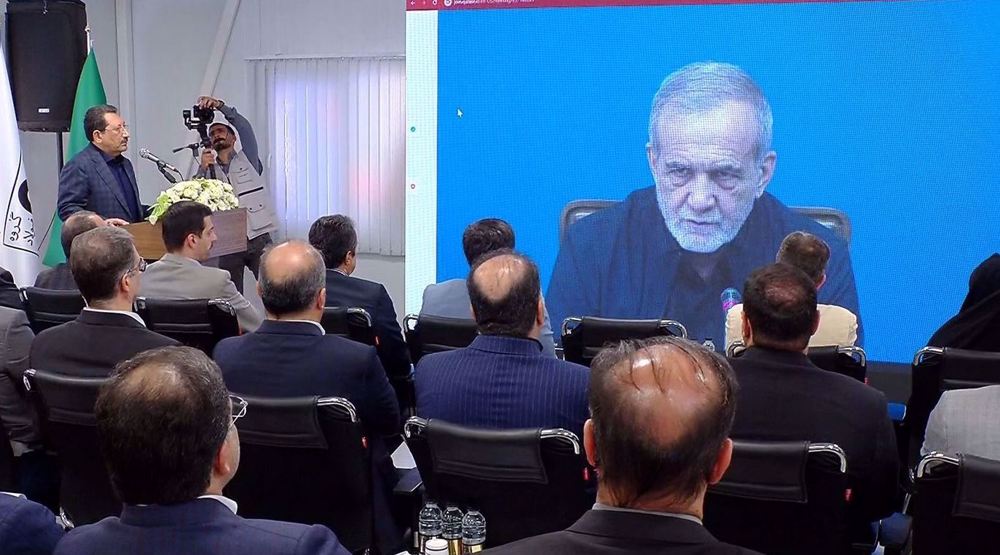
President Masoud Pezeshkian has inaugurated Iran’s largest solar power plant with a capacity of 120 megawatts (MW).
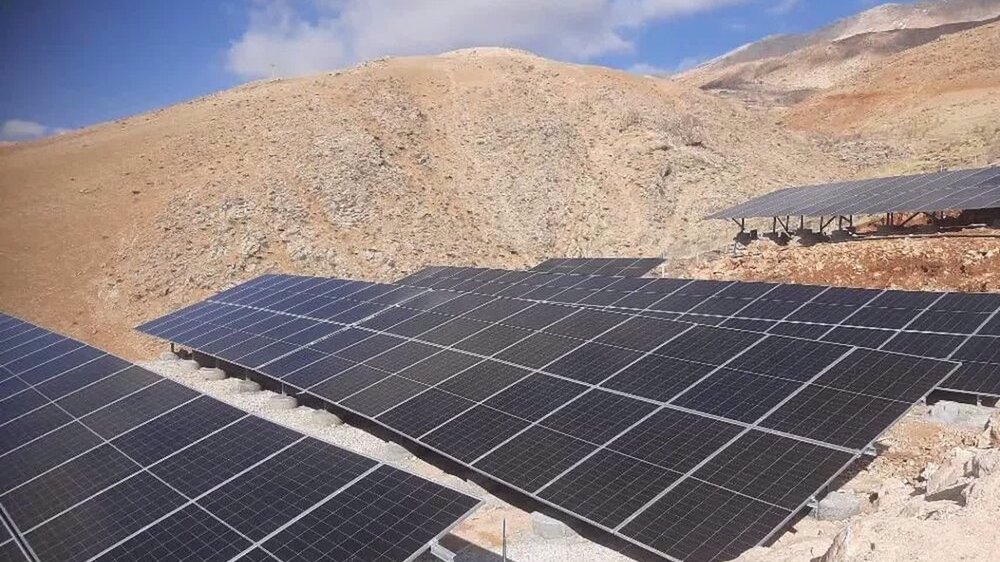
Pezeshkian, via video conference on Thursday, inaugurated the first phase of the €305 million "Aftab Sharq" solar power plant of Mobarakeh Steel Company in Kuhpayeh, Isfahan Province.
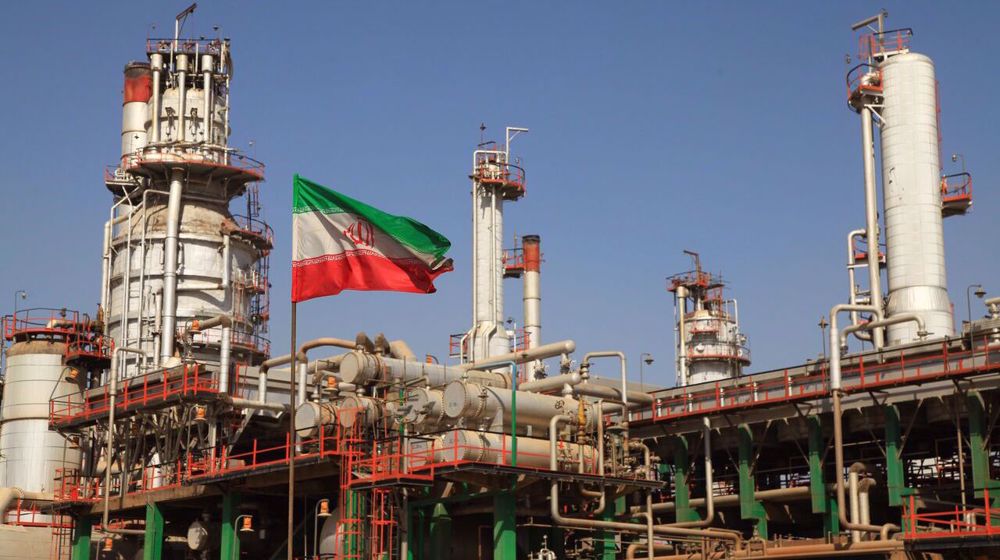
The 120 MW solar power plant, which signals the country's transition to clean energy, is the first phase of Mobarakeh Steel's 600 MW solar power plant to be erected in five 120 MW zones in an area measuring 1,200 hectares.
In his inauguration speech, Pezeshkian thanked the project's investors and contractors for their aid, efforts, and cooperation, as well as the government officials who facilitated the process.
“Following 12 days of cowardly aggression by the Zionist regime, I extend my gratitude to all those who contributed to this national effort. I also express deep appreciation to the Ministry of Energy, the Ministry of Industry, Mine, and Trade, and Mobarakeh Steel Company for their initiative and investment,” Pezeshkian said.
“With the help of God, in memory of our martyrs, and in line with the Leader’s vision for the Year of Investment and Production, we inaugurate the 120 MW 'Aftab-e Sharq' solar project of Mobarakeh Steel,” he added.
The inaugural ceremony was attended by Iranian Minister of Interior Mohammad Atabak and Isfahan Governor Mehdi Jamalinejad, in addition to members of Parliament, and the CEO of Mobarakeh Steel Company.
Also, speaking at the inaugural ceremony, Jamalinejad said that Isfahan's clean energy production is expected to experience huge growth in the coming years.
“So far, 7,560 MW in solar energy agreements have been signed for Isfahan Province. Based on existing plans, the province’s solar capacity will reach 5,300 MW by 2028,” he said.
Till now, 240 MW has already been connected to the national grid, with an additional 74 MW set to be launched by Government Week (August 24-30), and 397 MW expected by the anniversary of the Islamic Revolution (February 2026), he added. Jamalinejad emphasized that these developments will boost Iran’s solar energy share beyond 30 percent of its electricity production.
The final phase of the project is scheduled to be completed by March 2027. It is noteworthy that the Kuhpayeh project alone is expected to stop over one million tons of CO₂ emissions annually.
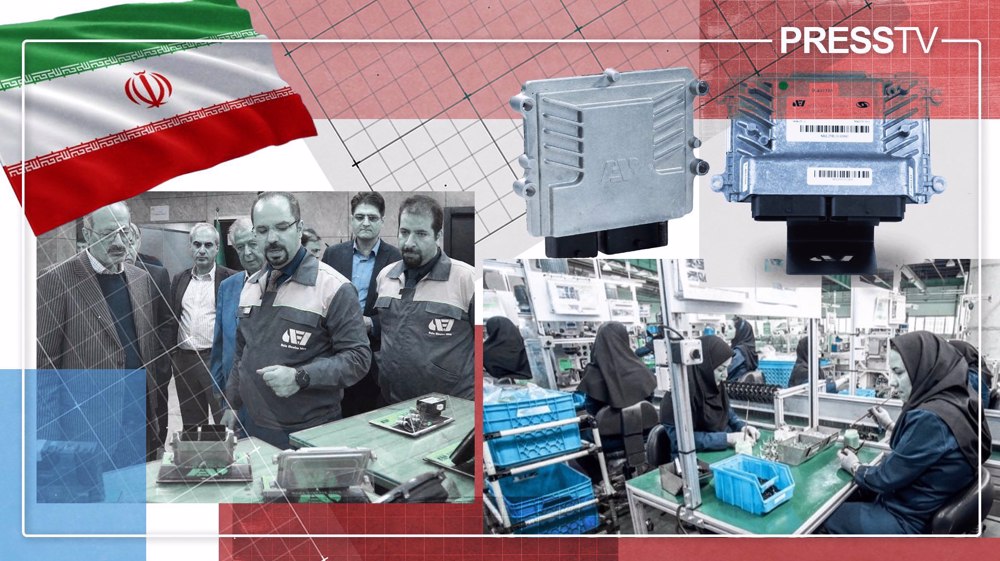
Iranian engineers develop indigenous engine control units, advancing automotive electronics

Iran Open RoboCup brings together 700 teams and around 2,000 young robotics innovators
Iranian CO2 recovery project named a finalist of 2026 WPC Energy Excellence Awards



Gazans shot at, beaten, attacked by dogs in Israeli Al-Naqab prison: Prisoners' Media Office
Pezeshkian slams Europe’s 'passivity' during US-Israeli war on Iran
VIDEO | Iranian children honor martyred classmates as new school year begins
VIDEO | Poll: 64% of Americans say US is not winning the war on Iran
Eight US sailors of USS Abraham Lincoln attempted suicide during war on Iran: Navy
Tehran blasts Canada for downplaying Trump’s threat to ‘annihilate’ Iran
VIDEO | Tunisia fuel truck drivers go on strike over social rights
VIDEO | Bahraini demonstrators censure Khalifah regime’s detention, trial of Shia scholars


 PressTV NEWSLETTER
now
PressTV NEWSLETTER
now
 This makes it easy to access the Press TV website
