Putting Iran’s economy on even keel
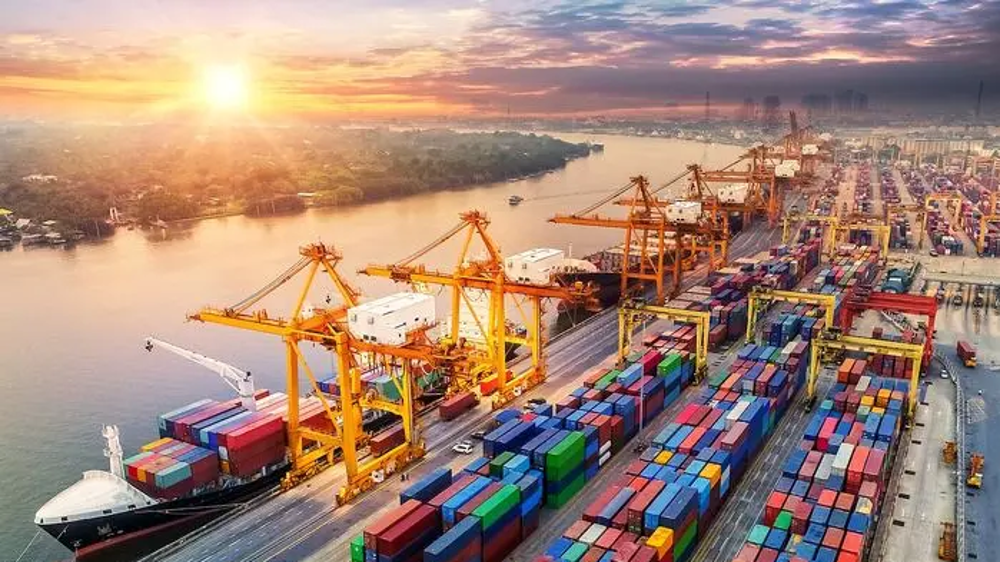
Iran’s dependence on oil revenues has created unparalleled opportunities for development and employment, but it has formed the enduring weakness of the economy at the same time.
The discovery of oil in Masjed-e-Suleiman in the beginning of the 20th century transformed Iran's economy, where most of the industrial sectors, public budget and employment setup became dependent on oil and then gas revenues.
Today, more than 60% of foreign exchange earnings, a quarter of GDP and about half of the government's annual income are obtained from the export of oil, gas and related products.
This overreliance has negative consequences with critical ramifications so much so that every fluctuation in oil or gas prices, every geopolitical crisis in the region, and the impact of international sanctions quickly lead to currency crises, inflation, and recession in Iran.
Taken together, Iran’s oil and gas wealth is the third largest globally, after Russia and Saudi Arabia. This capacity is a permanent source of income, the main support for the development budget and the guarantee of domestic energy supply.
Hundreds of thousands of direct and indirect jobs have been created in the oil, gas, refining and petrochemical industries, which have become the backbone of a large part of Iranian household finances and functioning.
Moreover, the ability to export energy is not only vital for foreign exchange earnings, but also an important tool for economic diplomacy and infrastructural development in the region, a successful example of which is Iran’s gas exports to Turkey and Iraq.
Iran's gas exports have continued despite various challenges, including US sanctions, primarily due to the country's large natural gas reserves and its ability to find alternative buyers.
The gas flow to Turkey has continued under a 25-year gas export contract which is set to expire in 2026.
Iraq has also been able to secure repeated waivers allowing it to import goods, particularly electricity and gas, from Iran. These waivers are granted by the US government, which has been providing them despite its sanctions on Iran, with the understanding that Iraq needs this energy to meet its power needs.
In addition, cheap energy has made a large portion of production affordable for parent industries, such as steel, cement, and petrochemicals, playing to Iran’s hands in regional competition.
On the downside, the history of Iran's economy is marked by periods of rapid development and subsequent challenges relative to fluctuations in global oil and gas prices.
The decline in oil prices has inevitably led to a budget crisis and a nationwide recession, while the increase in prices has caused a shift to consumerist policies and the illusion of windfall wealth.
In short, the heavy dependence on oil revenues has made long-term planning and sustainable development in the country a challenge.
Worse still, sanctions and ensuing reduced energy exports, and foreign exchange earnings have had an immediate impact on the foreign exchange market and the purchasing power of Iranian households.
For example, the exchange rate suppression supported by oil revenues collapsed after sanctions, leading to unprecedented inflation.
Today, Iran's economy is characterized by a mix of sectors, including hydrocarbon, agriculture, and services, with a significant public sector presence.
However, oil revenues and excessive resource injections into the economy such as government spending have reduced the incentive for agricultural growth, domestic industry, and technology.
As a result many sectors of the economy are suffering from the Dutch disease, where reliance on easy oil sales has weakened the private sector and limited risk-taking in investment.
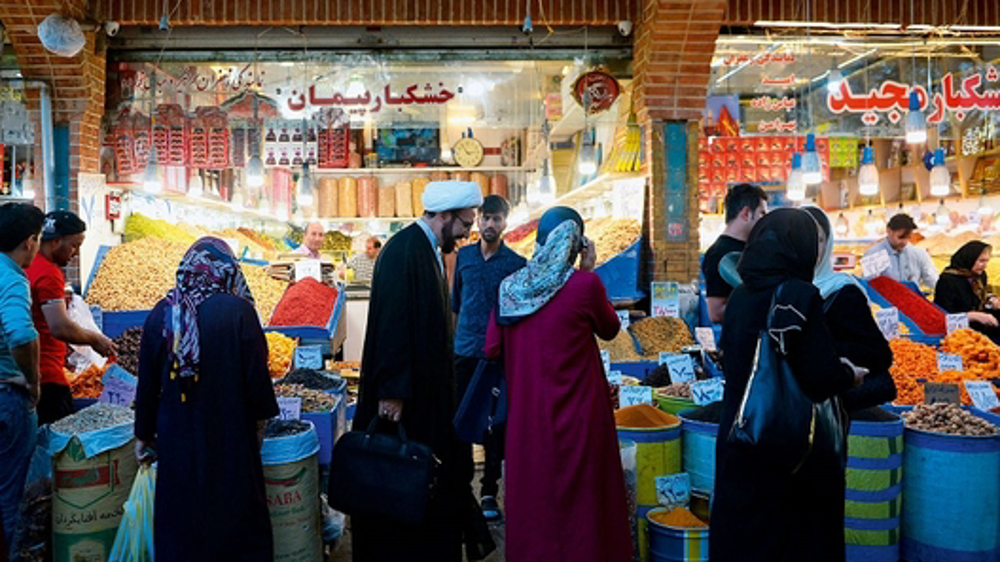
Four decades of sanctions have exposed the systemic weakness of Iran's oil-based economy, during which the exchange rate has increased by up to 10 times.
This has forced the government to use the resources of the National Development Fund and even print money to make up for the deficit, leading to rampant inflation and a drop in the purchasing power of households.
The solution? Economists say Iran has to diversify its export portfolio and gradually reduce the role of energy revenue in the government budget in order to overcome the cycle of energy-related crises.
Increasing the share of industrial products, agriculture, engineering services, and information technology in exports can reduce the weight of oil revenue in the balance of payments and lessen the vulnerability of the economy.
Iran's extensive energy subsidies, which accounted for more than 27% of its GDP in 2022, have also created economic distortions and disincentivized energy efficiency.
Moreover, they have discouraged investment in productive industries and renewable energy and fueled wasteful consumption of fuel and electricity.
Some of the essential steps to be taken, experts say, are to initiate gradual price liberalization, targeted subsidies, and equitable redistribution of resources to support vulnerable groups.
In short, the historical dependence of the Iranian economy on energy is a double-edged sword, which calls for fundamental reforms in order to protect it from vulnerabilities, primarily from foreign sanctions.
Key areas of reform include strengthening the "resistance economy," reducing reliance on oil and gas revenue, increasing transparency, and promoting domestic production and employment.
Reforming the current structure is inevitable which leaves room for much hope and consolation, but also the overriding fact that the future of Iran's economy depends on today's decisions.
Iran slams US for blaming Tehran over rising fuel prices, Strait of Hormuz closure
Iranian engineers develop indigenous engine control units, advancing automotive electronics
Understanding Iran’s tourism momentum amid war and sanctions



VIDEO | Ayatollah Khamenei and eight years of imposed war
Trump can’t impose his power on Iran; we withstand whatever warfare: Parliament speaker
VIDEO | Israeli attacks escalate in Lebanon as US-brokered deal yields only concessions: Press TV reporter
Eleven injured as gunman opens fire near high school in western Turkey
China condemns US extortion of Iranian airlines, rejects Washington’s ‘illegal’ sanctions threats
VIDEO | Strikes hit areas in south Lebanon where Israeli regime claims to control
Sirens, explosions sound in Saudi Arabia’s Najran along border with Yemen
Shahed-238: Iran’s jet-powered drone redefines low-cost threat, challenges modern air defenses


 PressTV NEWSLETTER
now
PressTV NEWSLETTER
now
 This makes it easy to access the Press TV website
