As India and Pakistan edge toward full-scale war, Kashmir braces for the fallout
By Fatemeh Fazli
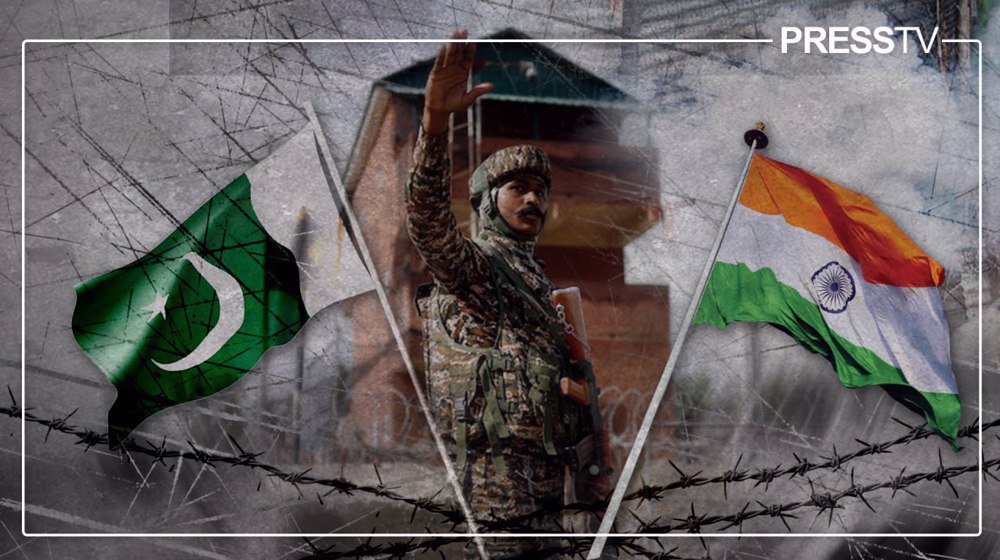
Tensions between the two nuclear-armed South Asian neighbors have once again reached a boiling point, following India’s most extensive missile strikes yet into Pakistan and Pakistan-administered Kashmir.
The death toll continues to climb alarmingly, with some reports putting the figure at 26, with several others injured, marking one of the bloodiest military escalations in the region in recent memory.
Graphic images circulating on social media platforms depict scenes of chaos and commotion, with wounded civilians, including children, being rushed to overwhelmed hospitals in Pakistan-administered Kashmir and parts of Punjab.
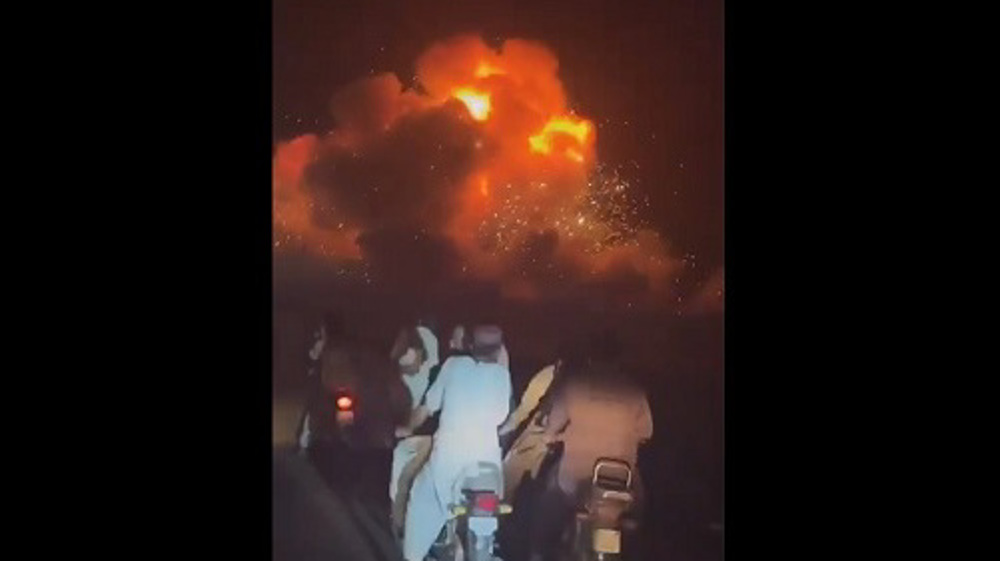
In Muzaffarabad, the capital of Pakistan-administered Kashmir, residents recalled the terror that unfolded after a barrage of missiles pounded the city. One local said they scrambled to the hills surrounding the city as a deafening barrage of missiles lit up the night sky.
Codenamed Operation Sindoor, the Indian Army announced that it had struck nine sites, labeling them “terrorist infrastructure” scattered across Pakistan and Pakistan-administered Kashmir.
It claimed to have targeted the bases of Lashkar-e-Taiba terrorist group, which is based in Pakistan and has been responsible for several terrorist incidents in India and Indian-administered Kashmir.
In response, the Pakistani military offered its own account, stating that Indian forces had launched 24 missiles at six separate locations, resulting in the deaths of at least 26 individuals.
The strikes were followed by intense cross-border shelling along the volatile de facto boundary, which has been the scene of minor and major skirmishes between the two sides for decades.
This dramatic escalation follows closely on the heels of a terrorist attack in Pahalgam, a serene hill resort in Indian-administered Kashmir, where more than two dozen tourists from India’s southern states were gunned down last month.
The attackers reportedly emerged from forest cover and targeted only male tourists, leaving women unharmed, a chilling crime that sent shockwaves across India and the world.
India was quick to blame Pakistan for orchestrating the attack. Islamabad, however, denied any involvement, insisting no credible evidence had been presented, a position that gained traction among observers worldwide even as the terrorist attack itself drew widespread condemnation.
India and Pakistan have exchanged heavy artillery and missile attacks along their contested border, as tensions surge after New Delhi blamed Islamabad for a deadly attack in disputed Kashmir.
— Press TV 🔻 (@PressTV) May 7, 2025
Follow Press TV on Telegram: https://t.co/mLGcUTS2ei pic.twitter.com/CNzeZgWfnr
This is not the first instance of such clashes souring relations between the estranged neighbors, and it likely won’t be the last. Their hostility and mistrust run deep, rooted in the painful legacy of the 1947 partition of British India, a wound that continues to fester.
In the decades since, India and Pakistan have fought multiple wars, waged proxy battles, and engaged in countless skirmishes, each confrontation widening the rift and reinforcing mutual suspicion, despite their intertwined histories, cultures, languages, and cuisines.
Yet, amid the hostility, ordinary people on both sides of the border have consistently voiced their opposition to war. They speak the same tongue, prepare the same meals, and see each other not as enemies but as long-lost kin separated by politics and pride.
In particular, the war-weary people of Kashmir, who have seen nothing but war and violence all these years, have paid the highest price for the hostility between the two South Asian countries.
There have been some genuine efforts at reconciliation in the past. Some governments in New Delhi and Islamabad did make attempts to thaw relations, most notably during the era of Indian Prime Minister Atal Bihari Vajpayee and Pakistani President Pervez Musharraf.
Musharraf even proposed a popular “four-point solution” to the long-festering Kashmir dispute. Vajpayee, in turn, championed a peace initiative grounded in empathy, as evident in his memorable April 2003 speech delivered in the heart of Srinagar, the summer capital of Kashmir.
But that fragile hope was shattered in November 2008 when coordinated terrorist attacks paralyzed Mumbai, India’s financial capital. Carried out by Lashkar-e-Taiba militants based in Pakistan, the attacks dealt a severe blow to the peace process.
Subsequent tragedies – the 2016 terrorist attack in the town of Uri in Kashmir that killed 18 Indian soldiers, and the 2019 suicide bombing in Pulwama that claimed the lives of 28 Indian military personnel – further deepened the divide, derailing any diplomatic momentum.
India blamed Pakistan on both occasions, even though Islamabad feigned ignorance. After the Uri attack, India responded with "surgical strikes" deep inside Pakistan.
These incidents unfolded under the government of Prime Minister Narendra Modi, whose tenure has been marked by increased militarization of the Kashmir conflict.
In a controversial move in August 2019, Modi’s government revoked Article 370 of the Indian Constitution, stripping Jammu and Kashmir of its special autonomy.
Civilian toll mounts as India, Pakistan stand on brink of warhttps://t.co/w4KcwkjFa5
— Press TV 🔻 (@PressTV) May 7, 2025
While Indian officials have since claimed that peace and normalcy have returned to the region, the massacre of tourists in Pahalgam on April 22, killing at least 28, belies such assurances, including those from Home Minister Amit Shah.
In January, Shah asserted that the Modi administration had dismantled terrorism in the Kashmir valley and eradicated its underlying ecosystem. Just months prior, in September 2024, Modi himself promised that the BJP would turn Jammu and Kashmir into a “terror-free haven for tourists.”
But the events in Pahalgam shattered that illusion. The militants emerged from the forests and opened fire on unarmed tourists while no security personnel were anywhere in sight.
The attack set off ripples far beyond the valley. In the days that followed, Kashmiri students across India were harassed and scapegoated by right-wing groups demanding revenge for the slain tourists.
Ironically, the most vocal condemnation came from Kashmir itself. Locals filled the streets in protest. Even pro-independence groups denounced the attack, and a moment of silence for the victims was solemnly observed at the Jamia Masjid, the region’s largest mosque.
Now, with war drums beating once again, it is the people of Kashmir, caught in the crosshairs of two hostile nations, who stand to suffer most. The fragile peace in the region has been shattered and the economy will also be affected with a drop in tourists visiting Kashmir.
Reports suggest at least 10 civilians have already died in Indian-administered Kashmir due to cross-border shelling along the Line of Control since last night. It will only get worse.
With both India and Pakistan in possession of nuclear weapons, the specter of full-scale war between them is not just terrifying, it’s potentially apocalyptic.
The International Campaign to Abolish Nuclear Weapons has issued a dire warning, saying it was “gravely concerned” about the rising tensions and cautioning that a nuclear exchange could result in “millions of immediate deaths in the region and have global consequences.”
As has been the case far too often, the true victims of this decades-old conflict remain the people of Kashmir, who are straddling both sides of a fragile, blood-soaked border.
Fatemeh Fazli is a PhD candidate in Indian Studies at the University of Tehran.
(The views expressed in this article do not necessarily reflect those of Press TV)
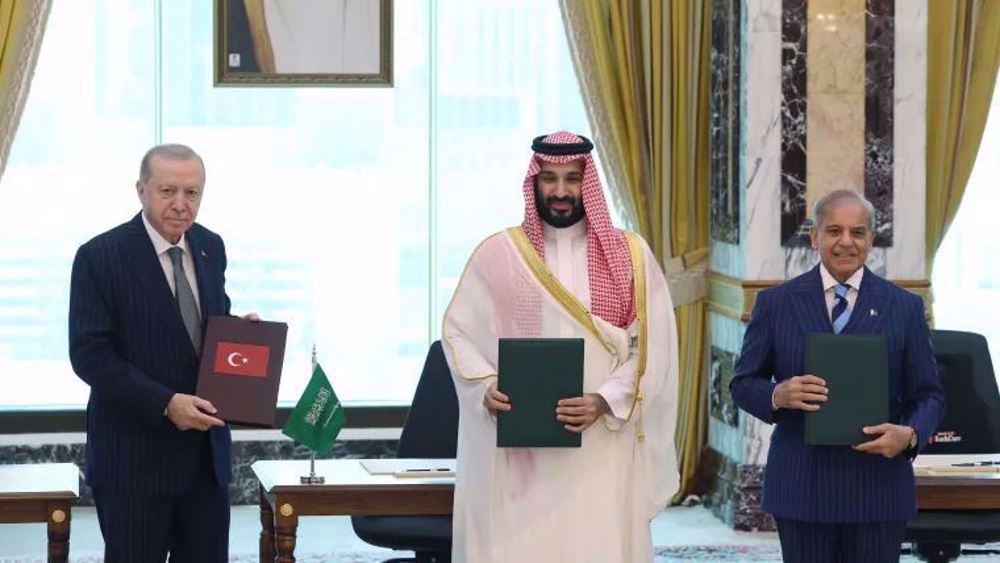
Turkey, Saudi Arabia, Pakistan ink joint defense deal amid declining US power
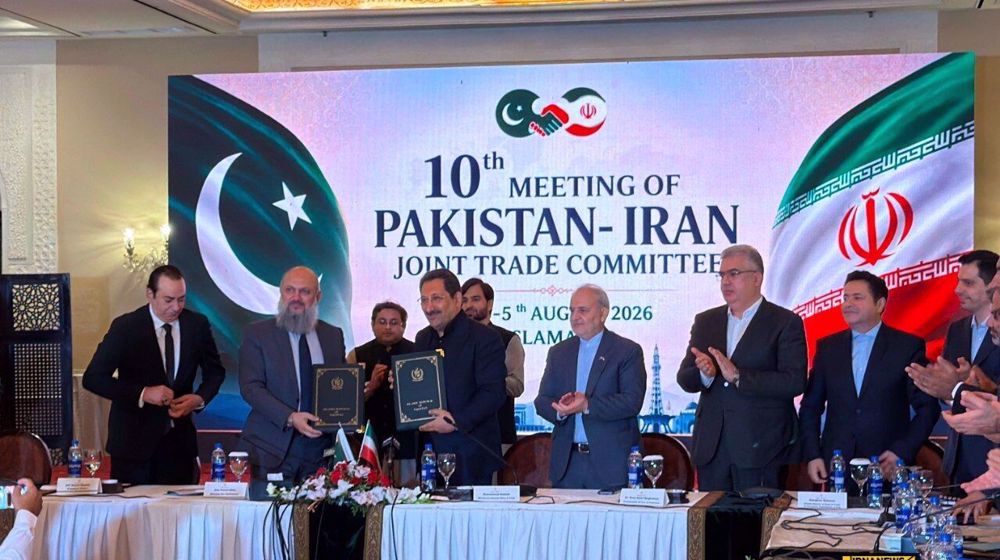
Iran, Pakistan commit to $10 billion trade goal with new partnership deal
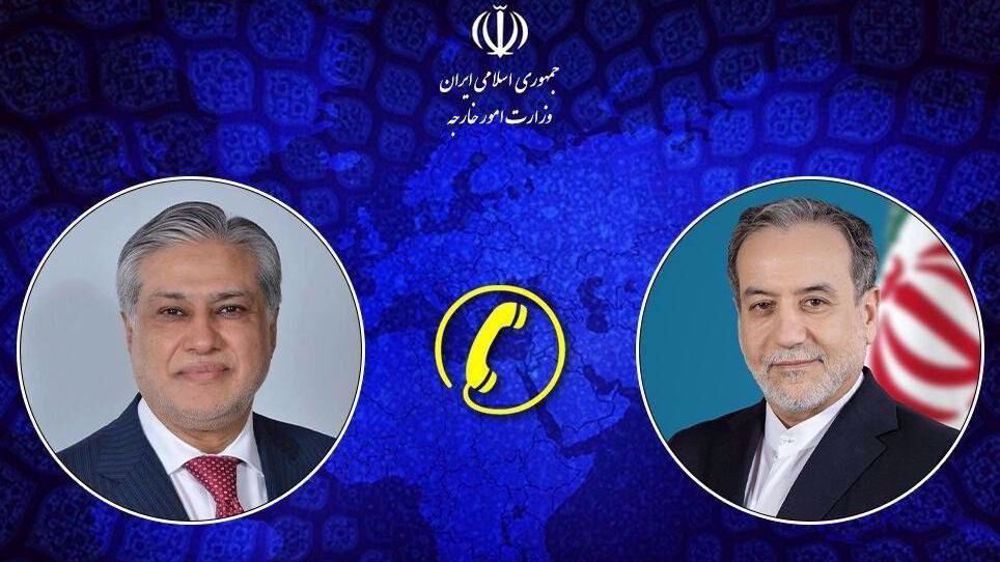
Iran FM discusses regional developments in phone talks with Pakistani, Omani counterparts



VIDEO | Press TV's news headlines
US war on Iran depletes American arsenal, emboldens global rivals: Report
VIDEO | US backs Israel, arms market amid regional turmoil: Analyst
US 'investment' project in Iraq is cover for plundering national wealth: Resistance leader
‘Trump lost this war’: US senator warns America gets weaker as war on Iran drags on
Parliament speaker Qalibaf congratulates Mohsen Rezaei on appointment as SNSC Secretary
VIDEO | Iran's demands for re-opening Srait of Hormuz
Israeli restrictions on Gaza aid network threaten to deepen famine: Euro-Med



 PressTV NEWSLETTER
now
PressTV NEWSLETTER
now
 This makes it easy to access the Press TV website
